Sunday, September 26, 2010

September Wildflowers

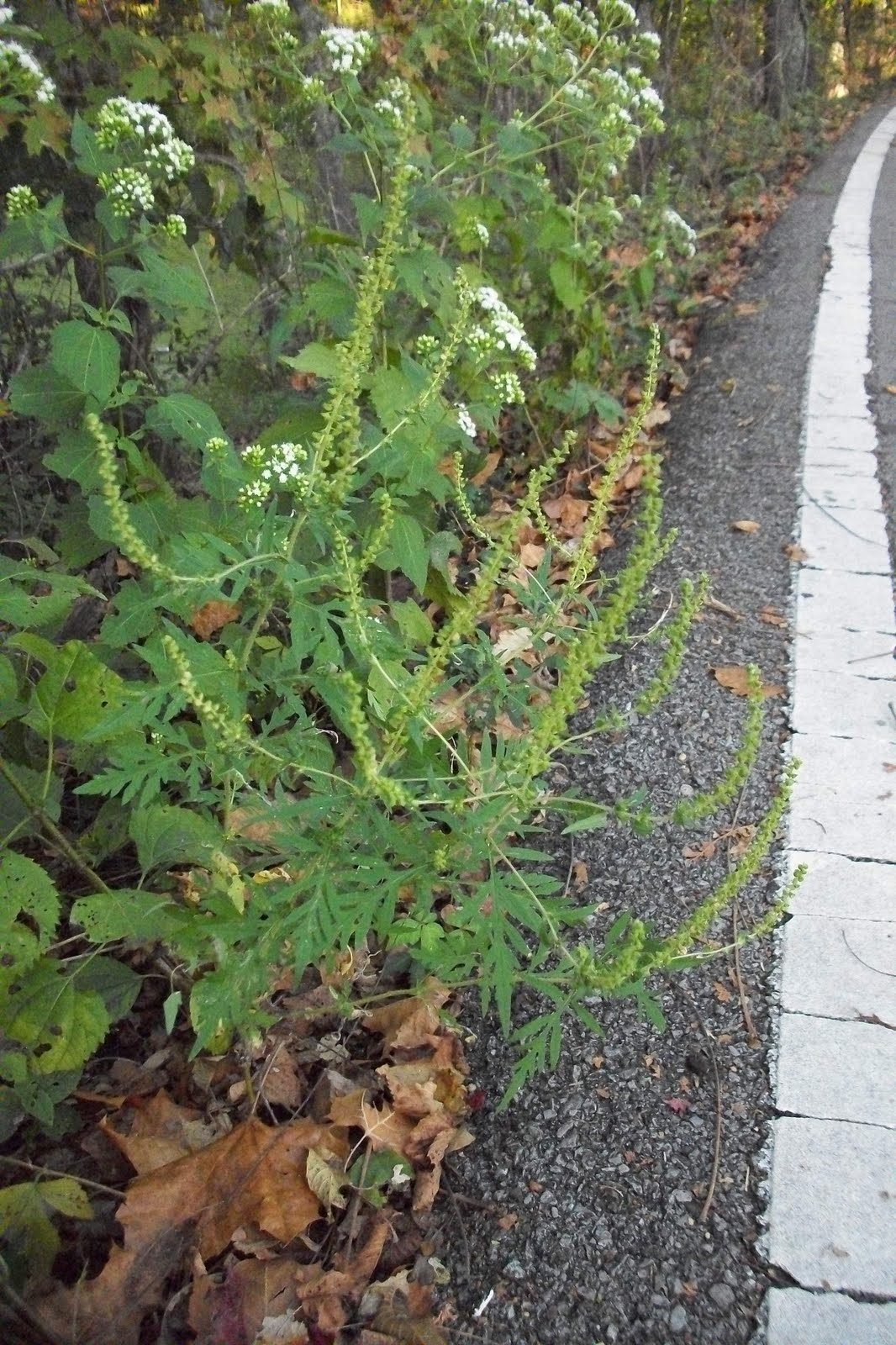
Goldenrod (Solidago, various species) and Ironweed (Veronia)


An unidentified tall flower, white blooms.


JoePye Weed (Eupatorium purpureum)


and Ragweed (ironically its genus is Ambrosia).


Most of these were seen at Radnor Lake State Natural Area in Nashville.

Tuesday, September 21, 2010

Community Supported Agriculture and a Farm Dinner

Community Supported Agriculture

CSAs are local farmers providing food to local communities, typically on a subscription basis. The benefits to the supporters are fresh food delivered weekly; the farmers benefit by being able to practice smaller scale and sustainable growing practices, the environment benefits because your food is shipped a very short distance. Local products are generally shipped under one hundred miles from farm to market. 'Conventional' food products (typically found in grocery stores) travel over 1000 miles from source to market, and that is only including domestic products.*
Fresh food likely keeps more of its nutritional value than products transported for a week or more. Less gasoline and other resources are used and local people benefit from the jobs generated.
http://nashfof.wordpress.com/csa/ has a list of Nashville area food providers.

Fresh Harvest LLC a cooperative of organic family farms in the Nashville area is hosting their first Farm Dinner. A fully prepared dinner, made from locally produced products, follows a tour of Turnbull Creek (organic) farm.

Saturday September 25, at5:30
Visit http://freshharvest.locallygrown.net/weblog for details

*http://www.leopold.iastate.edu/pubs/staff/files/local_foods_HEN0604.pdf

Sunday, August 22, 2010

A Perennial Lesson on Annual Vegetables

Most of our summer vegetable gardens are filled with annuals, plants that begin and complete their life cycle in one year. A seed germinates, sprouts, grows, creates flowers, which become fruit, which produce seeds, and then the plant is spent. But it has produced progeny and someone saves the seeds and sells them or puts them up in a jar or they fall to the ground. And they start again in the next spring as new sprouts. We buy seeds or seedlings or get volunteers. Tomatoes in particular seem adapt at reseeding and 'volunteering' in the garden.


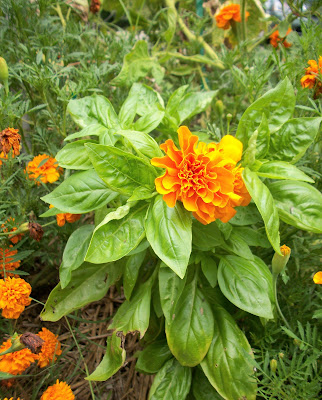


Most years I have a small vegetable crop and it almost always includes tomatoes and basil. Then I have an inspiration for variety and try something new or neglected, like peppers or okra. I am almost always pleased with the tomatoes and basil and I have been perpetually disappointed, for as long as I can remember, with squash. I love to eat squash, of any color and kind. But when I plant it, the results are always the same. Sad wilting plants with strangled stalks. Squash borers. Tunneling through the once sturdy vines. One of the worst displays of vegetable destruction there is.
Of course I could use controls, mechanical or synthetic or whatever, but I have had years where I dutifully picked off insects, larvae, etc. by hand....and still they burrow. And each year that I try to grow squash I vow to never grow it again.
Due to life circumstances it's been 5 years since I had a veggie plot, but this spring I had beautiful soil and some spare time to dig out a bed and promptly planted tomatoes, basil, cilantro, marigolds.......and squash (I got starts, didn't grow from seed).
The tomatoes have been fantastic, the basil is overflowing, the marigolds are a great ground cover. And the squash looked fantastic until a week ago.
The pictures above show my successes and below, well, are my disappointments.
Caution: photo of actual squash borers, which are NOT attractive.


By the way, you can get in some fall veggies if you start now...........greens spinach beets and so on.

Thursday, August 12, 2010

Atlanta Botanical Gardens, part 3


I left my friends in the conservatory and made my way to the color sections, through several nice annual plantings, and some great color borders. Check out this island, with Joe Pye Weed, hibiscus, cannas and more


The Succulent Garden included this Century plant (Agave americana) which blooms 'once in a lifetime' according to the tag (I am not sure if that is once in its lifetime or once in ours?)


Lastly, we enjoyed the Canopy Walk, a raised walkway through an undeveloped area of hardwoods which leads to at trail of understory plants. Here is a Big Leaf Magnolia (Magnolia macrophylla);(you can see many of these and their cousin Magnolia tripetala, in our Tennesse woodlands, especially along the Fiery Gizzard Trails).


http://www.atlantabotanicalgarden.org/

Saturday, August 7, 2010

Atlanta Botanical Gardens, part 2

The Edible Garden area is an amphitheater with raised, angled beds showing off the veggies. Here: the left side, filled with mostly peppers...the right side with amaranth, millet, rhubarb, tomatoes, more peppers...and a close up of peppers.


On my way to the color gardens, we passed under this refreshing shady arbor of Crossvine, Bignonia capreolata....


And strolled past the Bog, with native southeast pitcher plants...


Next...perennial borders!

Thursday, August 5, 2010

Atlanta Botanical Garden, part 1

Late July I got to visit the Atlanta Botanical Gardens, and although it was quite hot, just as in Nashville, we really enjoyed the gardens. They looked great, well-watered, no droopy plants anywhere! It's a large campus and we could have spent a couple of days there. So in three hours I managed to see a few minutes of the Conservatory, walked past the succulent border, hurried through 'Southern Seasons' which is a woodland area, and spent longer moments idling through the perennial color borders, the Edible Garden, and the Canopy Walk.


I'll post several entries here so as to divide up the areas and photos, starting with a quick trip through .....The Conservatory


The blue pots are part of 'The Orangerie' and feature spice plants galore: vanilla, neem, cardamom etc. Also a fleeting highlight, but alas no pictures: somehow a herd (and I say 'herd' because I am in no mood to research the scientifically correct term for this brood) ...ahem ... a herd of baby quail had been born in the Conservatory and after reading the signs advising to 'step carefully' we wandered through looking about for the little fuzzy guys and gals. Cute as buttons!

Next a visit to
The Edible Garden

Thursday, July 29, 2010

Davidson County - Summer Events

THIS SATURDAY!! Volunteer Opportunity: Boardwalk Construction and Highland Trail Hike at Beaman Park

July31
Saturday

Boardwalk Construction: 9:00am to 3:00pmGuided Hike: 3:30 to 6:00pm

Beaman Park Nature Center
5911 Old Hickory Blvd.
Meet outside the nature center building.

Difficulty: Easy to moderate
Age level: 13 and up
No dogs, please.

Let's Meetup at the Beaman Park Nature Center (5911 Old Hickory Blvd) for a Volunteer Boardwalk Construction Work Day. Join us as we continue construction on a 350 foot long, handicap accessible boardwalk in the woods near the nature center. Bring your work gloves, wear sturdy shoes and clothes you won't mind getting dirty. Tools and training will be provided. Snacks and drinks will be served. Bring a friend and stay for as little or as long as you would like.

WARNER PARKS:

Volunteer Spirit
Saturday, August 7 9 a.m.-noonAge level: All ages . Call to register. Get outside and get dirty. Spend a day giving back to the parks that you love by lending a helping hand as we work on projects to restore and preserve the natural integrity of the parks.Leader: Paul Fowler

Hummers Galore
Saturday, August 21 10 a.m.-noon Age level: All Ages. Registration opens August 6Time to double up on the Hummingbird nectar, fall migration is starting. Learn how much food hummingbirds need to survive migration. This fact answered and many more at hummingbirds galore.Leader: Irene Perry

http://www.nashville.gov/parks/wpnc/wpnc_program_schedule.asp for more information on Warner Parks

Cheekwood

GARDEN SHOWS AND LECTURES
August 26 Gardening 101 - Part 3 of 4 (Planting)
Thursday, August 26, 1:00 pm $15 members / $20 non-members Love the idea of having a garden, but don’t know where to start? Let the Cheekwood Garden Staff help you cultivate a green thumb in this four-part seasonal workshop. Beginning with plant basics and covering topics such as planning, propagating, planting, and pruning– this class will teach you all you need to know to keep your garden looking great. http://cheekwood.org/Gardens/Garden_Shows_and_Lectures.aspx